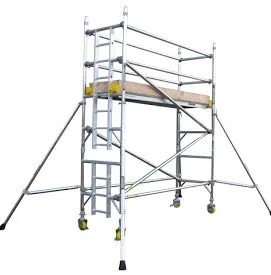
Hire an alloy scaffold tower in the height you need — from 2.2m for interior ceiling work up to 10.2m for multi-storey exterior jobs. One booking page, simple size selector, same narrow 900mm frame that fits doorways and side alleys. All towers are EN1004 certified, supplied complete with platforms, braces, guardrails and locking castors. Lightweight aluminium with quick-click assembly (no tools). Stabilisers and base plates included on taller sizes as required. Select your working height when you book. Delivered ready to build across Newcastle-under-Lyme, Stoke-on-Trent and Staffordshire.
Access Equipment Hire
Available Equipment
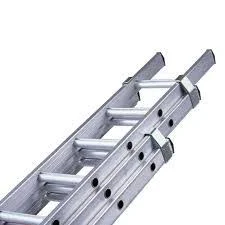
10 items foundOur 20-foot double extension ladder is the most popular ladder in our hire fleet. With two sections of 13 rungs each, it extends to approximately 6 metres — enough to reach first-floor gutters, windows, and fascia boards on standard UK homes. Constructed from heavy-duty aluminium with anti-slip rubber feet for stability on hard surfaces. The rope-and-pulley extension mechanism makes it easy to extend and lock into position single-handedly. Each rung is slip-resistant and rated for trade use. Ideal for window cleaning, gutter maintenance, exterior painting, and general access work. Compact enough to transport on a standard roof rack when retracted. All our ladders are inspected before every hire for bent rungs, damaged feet, and locking mechanism integrity.
The 30-foot triple extension ladder is our tallest ladder, with three sections of 13 rungs each extending to approximately 9 metres. This reaches the eaves and upper windows on a standard two-storey property, making it essential for high gutter work, chimney access, aerial installation, and second-floor window maintenance. The triple-section design keeps the retracted length manageable at around 4 metres — short enough to transport easily but extending to impressive heights when deployed. Heavy-duty aluminium construction with reinforced stiles and non-slip feet provide confidence at height. Important: At full extension, the working angle must be maintained at the correct 75-degree lean (1 out for every 4 up). We recommend using a ladder stabiliser at this height for maximum safety. All our ladders are professionally inspected between hires.
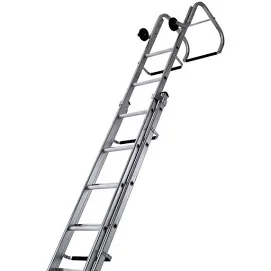
Our single-section roof ladder features 18 rungs and a ridge hook that folds out to grip over the roof apex, distributing your weight across the tiles and preventing damage. Essential safety equipment for any work on a pitched roof — from replacing broken tiles and clearing moss to fitting roof vents and checking lead flashing. Unlike crawling across bare tiles, a roof ladder provides a stable, flat surface to work from while protecting the tiles beneath you from cracking under point loads. The aluminium frame is lightweight enough to slide up the pitch from the eaves, then hook over the ridge with the folding steel hook. Must be used in conjunction with an extension ladder to reach the eaves. Our 20' double or 30' triple ladders pair perfectly with this roof ladder for safe, complete roof access.
The double-section roof ladder provides extended reach across larger roof areas with two sections of 12 rungs each. The extending design means it covers a longer span of the roof pitch, making it the right choice for detached houses with longer roof slopes, bungalow roofs, and commercial properties with larger pitched areas. Features the same folding steel ridge hook as our single roof ladder, securely gripping the roof apex and spreading your weight evenly across the tiles below. When retracted, the two-section design keeps the ladder compact for transport and handling. Essential for safe roof tile replacement, moss removal, aerial work, chimney inspections, and installing solar panel brackets. Must be used with an extension ladder to access the eaves. We supply all our roof ladders cleaned and inspected between every hire.
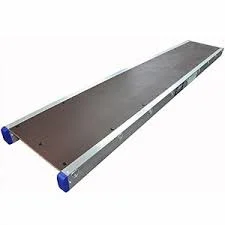
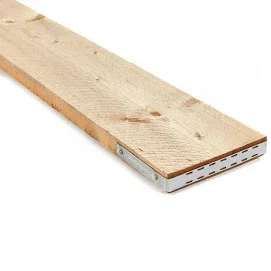
Our 3-metre staging boards are 450mm (18 inches) wide, providing a generous working platform when used with our steel builder's trestles. One staging board spans the full width of a trestle pair, giving you an instant, stable work platform for plastering, bricklaying, painting, and overhead work. The width advantage over standard scaffold planks means you can work more comfortably and safely — with room for tools and materials alongside you on the platform. Each staging board features anti-slip surface strips and reinforced edges to prevent splitting under load. Hire them individually or in multiples for wider platforms. Two trestles support one staging board, or use three trestles to support a wider run of four scaffold planks side by side. Need multiple boards? Just let us know the quantity when booking.
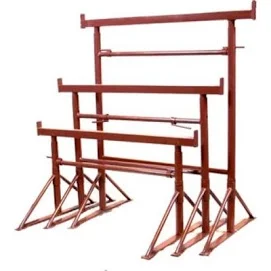
Our heavy-duty adjustable steel builder's trestles provide a rock-solid base for staging boards and scaffold planks, creating a versatile working platform at the height you need. Adjustable from approximately 0.8m to 1.8m, they're perfect for bricklaying, plastering, rendering, overhead electrical work, and ceiling finishing. Each trestle folds flat for easy transport and storage. The wide-stance design prevents tipping, and adjustable pins let you set the exact working height for your job. Built from welded steel tube — far sturdier than lightweight DIY alternatives. You need a minimum of two trestles per staging board or plank run. For wider platforms, use three trestles to support four scaffold planks across their width, or one staging board per pair. Hire as many as you need — just specify the quantity when you book.
Our 10-foot (3m) scaffold planks are solid timber boards used alongside steel trestles to create a working platform for building, decorating, and maintenance work. Four planks placed side by side across a pair of trestles create a stable and generously wide work surface. Scaffold planks are the traditional choice for bricklayers, plasterers, and general builders who need a sturdy platform that they can set up at the exact height they need. Unlike staging boards, planks can be arranged in different configurations — use two or three for a narrow walkway, or four for a full working platform. All our scaffold planks are graded and inspected between hires for splits, warping, and end damage. Hire them individually and take as many as your job requires — just tell us the quantity when booking.
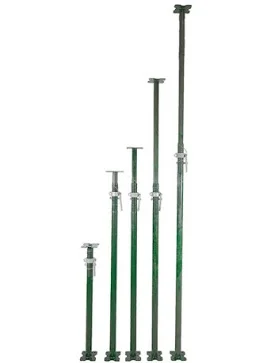
Acrow props are essential temporary structural supports used during building alterations. They hold up floors, walls, and ceilings while load-bearing elements such as RSJs, lintels, and steel beams are being installed or replaced. Without adequate propping, removing a supporting wall could cause serious structural damage. Our adjustable steel acrow props extend from approximately 1.75m to 3.1m, covering standard UK floor-to-ceiling heights. The heavy-duty screw thread allows precise height adjustment to apply firm, even pressure against the structure being supported. Typically used in pairs or multiples depending on the span being supported. For wall removal projects, you'll usually need acrow props on both sides of the opening, supporting a strongboy or needle beam. Need multiple props? Just specify the quantity when booking — most wall removal jobs require 4-6 props minimum.
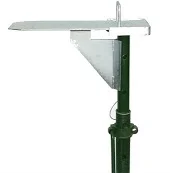
A Strong Boy (also known as a prop head or wall support) is a steel attachment that sits on top of an acrow prop and slots into the mortar joint of a brick wall. It transfers the load of the wall above directly onto the acrow prop below, providing temporary support while you install RSJs, lintels, or structural beams. Essential for any wall removal or opening-up project where load-bearing brickwork is being altered. The Strong Boy grips the wall from both sides of the mortar course and distributes the weight evenly, preventing cracking and movement in the masonry above. Always used in conjunction with acrow props (available separately). For a standard domestic door or window opening, you'll typically need 2-4 strong boys with matching acrow props depending on the span. Give us a call if you need sizing advice — we're happy to help plan your propping arrangement.